

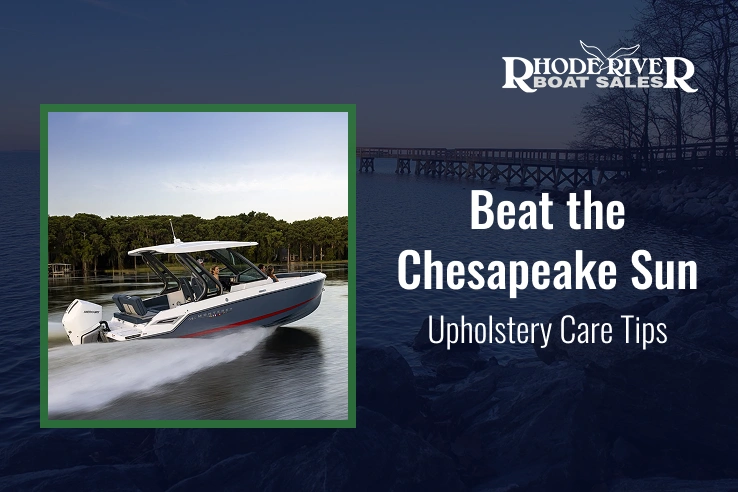
There is nothing quite like the feeling of stepping onto your boat on a bright Saturday morning in Maryland. The sunlight reflects off the ripples of the water, and your Monterey Bowrider looks absolutely stunning at the dock. However, as any seasoned boater on the Chesapeake Bay will tell you, that beautiful summer sun is a double-edged sword. While it provides the perfect backdrop for memories, those intense UV rays are constantly working against the supple, high-quality upholstery that makes your Monterey so comfortable.
If you have spent time browsing boats for sale in Chesapeake Bay, you know that the condition of the interior is often the first thing people notice. It is the difference between a vessel that looks brand new and one that shows its age prematurely. Maintaining your vinyl is not just about aesthetics; it is about preserving the comfort and resale value of your investment.
In this guide, we will explore best practices for protecting your seats, loungers, and sunpads from the elements, ensuring your Monterey stays showroom-ready for years to come.
Understanding the UV Challenge in Maryland
The Chesapeake Bay presents a unique environment for marine fabrics. We deal with high humidity, salt air, and intense direct sunlight that reflects off the water, effectively doubling the UV exposure your boat receives. Monterey boats are known for using premium, marine-grade vinyl, but even the best materials have their limits.
Over time, sun exposure leads to photo-degradation. This breaks down the chemical bonds in the vinyl, reducing its flexibility. When vinyl loses its “stretch,” it becomes brittle. That is when you start seeing those dreaded cracks along the seams or a chalky residue on the surface. By being proactive, you can stop this process before it starts.
The Power of the Physical Barrier
The single most effective way to protect your upholstery is remarkably simple: keep it covered when you are not using it. While it might feel like a chore to snap on the cockpit and bow covers after a long day on the water, those few minutes of effort add years to your upholstery’s life.
If you are currently looking at where to buy a boat in Chesapeake Bay, always ask about the canvas options. A high-quality, breathable mooring cover is your first line of defense. It blocks 100 percent of UV rays and prevents bird droppings or tree sap from sitting on the vinyl, which can cause permanent staining if baked in the sun. If you are stopped at a sandbar for the afternoon, utilize your Bimini top. It provides shade for your guests and keeps the direct midday sun off your aft bench and captain’s chairs.
Cleaning the Right Way
Cleaning is where many well-intentioned boat owners accidentally do the most damage. It is tempting to grab a bottle of multi-purpose household cleaner or a “magic” scrubbing sponge to get rid of a stubborn stain. However, many of these products contain harsh chemicals, bleach, or abrasives that strip away the factory-applied UV protective coating on marine vinyl.
For routine cleaning, stick to a mixture of mild dish soap and warm water. Use a soft microfiber cloth or a very soft-bristled brush to lift dirt from the vinyl’s grain. Always rinse thoroughly with fresh water afterward. Removing salt crystals is particularly important, as salt acts like a magnifying glass in the sun, intensifying heat and UV damage.
The Role of Marine UV Protectants
Think of a marine UV protectant as sunscreen for your boat. After cleaning and drying your upholstery, apply a specialized marine vinyl protectant to create a sacrificial barrier against the sun.
Unlike automotive products that can leave a greasy, slippery residue, high-quality marine protectants are designed to bond with the vinyl. They help keep the material soft and pliable while providing a matte finish that resists fading. Ideally, you should apply these protectants every few weeks during the peak of the summer season. Not only do they block UV rays, but they also make future cleaning easier by preventing dirt and body oils from penetrating the surface.
Managing Moisture and Mildew
While the sun is the primary enemy of the upholstery’s structure, moisture is the enemy of its appearance. The Chesapeake Bay is a humid place, and trapped moisture under a seat or cover can lead to mildew. Mildew does not just look bad; it can actually eat into the backing of the vinyl if left unchecked.
Always make sure your seats are dry before putting the covers on for the week. If you have been swimming, try to dry off the sunpad before it sits under the canvas. Utilizing “support poles” for your covers helps ensure that rainwater sheds off the canvas rather than pooling in a low spot, which can create a humid microclimate directly against your seats.
Why Quality Matters at the Dealership
When you visit a Monterey Boats dealer in Chesapeake Bay, you will notice the superior stitch work and material thickness in the Elite series and bowrider models. These boats are engineered for the marine environment, but they still require a partner in maintenance. Choosing a reputable boat dealership in Chesapeake Bay means you have access to the right cleaning products and expert advice tailored specifically to the local climate.
By following a consistent routine of covering, cleaning, and protecting, you ensure that your Monterey remains the pride of the fleet. A well-maintained interior makes every trip more enjoyable and ensures that when it eventually comes time to trade in, your boat stands out from the rest of the boats for sale in Chesapeake Bay.
Protecting Your Investment Year-Round
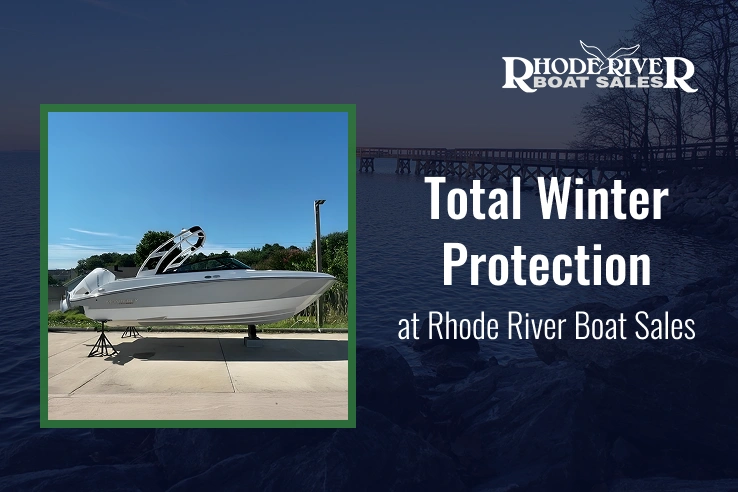
Extending the life of your upholstery is a labor of love that pays off every time you welcome friends aboard. While summer maintenance is crucial, the care of your boat does not end when the temperature drops. As the season winds down, your focus should shift from sun protection to total winter preservation. Choosing the right storage is the final step in a successful maintenance plan.
Rhode River Boat Sales can help with how to choose the best winter storage option for your boat near the Chesapeake Bay, ensuring your upholstery, hull, and engine are shielded from the elements. Whether you need a secure spot on the hard or specialized winterization services, our team is here to help. To learn more about our storage availability or to see our latest inventory, contact us today.
FAQs
1. Can I use bleach to get rid of mildew stains on my boat seats?
It is highly discouraged. While bleach kills mildew, it is incredibly caustic to marine vinyl and the polyester thread used in the stitching. Bleach dries out the vinyl, leading to premature cracking, and can weaken the threads until the seams literally fall apart. Instead, use a dedicated marine mildew remover that is labeled as safe for vinyl.
2. How often should I actually apply a UV protectant?
During the peak Maryland summer, a good rule of thumb is to apply a UV protectant once every three to four weeks. If you use your boat every weekend and it sits uncovered for long periods, you might want to do it more frequently. If the vinyl starts to feel “dry” or loses its luster, it is time for another coat.
3. Does the color of my upholstery affect how long it lasts?
Generally, yes. Darker colors like navy blue, dark grey, or black absorb more heat from the sun. This increased heat can accelerate the breakdown of the material compared to white or light tan vinyl. If you have dark accents on your Monterey, you should be even more diligent about applying UV protectants and using covers.
4. Is shrink-wrapping in the winter bad for my upholstery?
Shrink-wrapping is excellent for protection, but it must be done correctly. The biggest risk is trapped moisture. Ensure your boat is completely dry before it is wrapped and that the professional team installs enough vents to allow for cross-ventilation. Without airflow, the humidity inside the wrap can cause a massive mildew breakout.
5. Why do my boat seats feel “pink” or “orange” in some spots?
This is often a phenomenon known as pinking. It is actually caused by a specific type of bacteria that grows inside the foam or the vinyl’s backing and produces a pinkish dye. It is often triggered by heat and moisture. Keeping your boat dry and using anti-microbial cleaners can help prevent this difficult-to-remove staining.