

Buying a boat is a big moment for anyone who loves being on the water. It might mean early mornings fishing, relaxed weekends cruising, or simply spending more time outdoors with family and friends. For many buyers, pre-owned boats are the perfect place to start. They offer a chance to get a great boat at a more reasonable price, while still opening the door to all the experiences that come with boat ownership.
The key challenge is knowing how to recognize a true hidden gem. Some vessels may look appealing at first glance but hide costly problems, while others may quietly offer excellent condition and dependable performance. A thoughtful inspection process helps buyers avoid surprises and focus on boats that offer genuine value.
Whether you are browsing listings online or walking the docks, knowing what to look for makes the search far more rewarding.
Why pre-owned boats can offer outstanding value
One reason many experienced boaters prefer pre-owned boats is the financial advantage. New vessels often lose value quickly during their first few years. Choosing a previously owned model allows buyers to avoid that initial depreciation while still enjoying a capable and enjoyable boat.
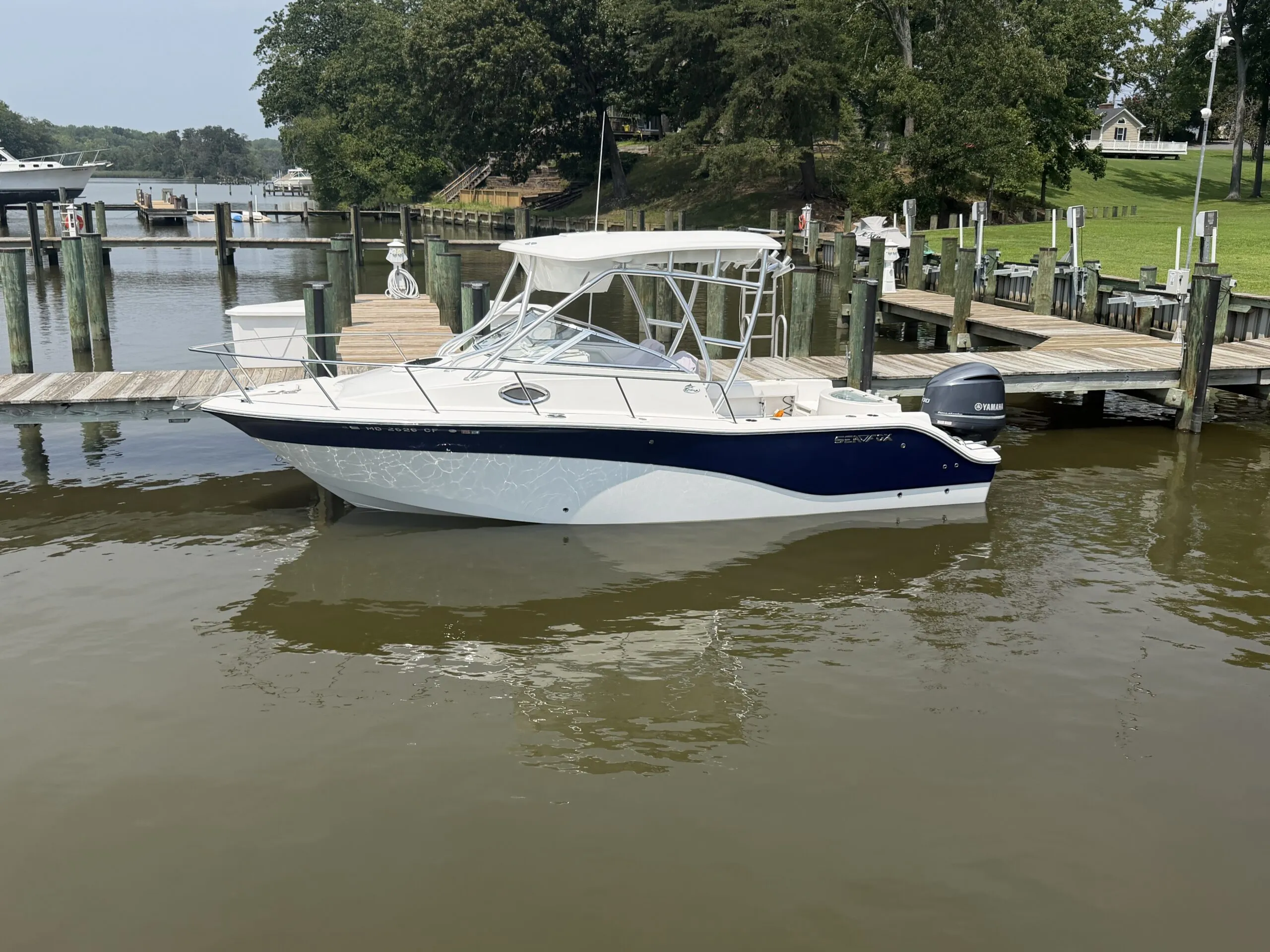
Buyers exploring used boats in Maryland often find a wide selection of well-built models that continue to perform reliably long after their original purchase date. Some may even include upgrades from previous owners, such as improved seating, electronics, or navigation systems.
These additions can enhance comfort and functionality without significantly increasing the price. When evaluated carefully, the right boat can deliver years of dependable enjoyment.
Inspecting the hull on pre-owned boats
The hull is the structural backbone of any vessel, so it should always receive close attention during an inspection. Even the most attractive boat can become a poor investment if the hull has hidden damage.
Start by walking around the vessel and examining the surface from multiple angles. Look for cracks, deep scratches, or uneven areas that may indicate previous repairs. Minor cosmetic wear is common, especially on boats used regularly, but significant structural damage warrants careful consideration.
Check the finish as well. Fading from sun exposure is normal over time, particularly for boats stored outdoors. However, blistering or irregular patterns on the surface coating may indicate prolonged exposure to harsh environmental conditions.
Taking your time during this step helps reveal potential concerns before they become expensive surprises.
Evaluating engine performance and maintenance
The engine often provides the clearest insight into how well a boat has been maintained. A clean engine compartment and documented service history usually reflect responsible ownership.
Ask the seller about maintenance records and routine servicing. Regular oil changes and professional inspections typically indicate that the engine has been cared for properly.
Visually inspect hoses, belts, and surrounding components. Corrosion, leaks, or unusual wear may signal neglect or aging parts that require attention.
Buyers reviewing used boats in Edgewater frequently rely on experienced technicians to help interpret the condition and performance of the engines before finalizing a purchase.
Checking electrical systems and onboard equipment
Boats depend on a variety of electrical systems to operate safely and comfortably. Navigation lights, radios, pumps, and gauges should all be tested during the inspection process.
Turn on each system individually and verify that it functions correctly. Weak batteries, loose connections, or disorganized wiring may indicate inconsistent maintenance.
While these details might seem minor, they often reveal how carefully the previous owner maintained the vessel. Well-organized wiring and clean battery terminals are positive signs that the boat received proper care.
Interior condition can reveal a lot
The interior of a boat can tell an important story about its history. Seating, flooring, and storage compartments should all be inspected closely.
Normal wear is expected for boats that have been used regularly. However, excessive damage, mildew, or unpleasant odors may indicate poor storage conditions or neglect.
Open storage areas and check for moisture buildup. Look for signs of water intrusion, such as stains or warped materials.
A clean and well-maintained interior often reflects an owner who cares about the vessel as a whole.
Reviewing ownership and service records
Documentation can be extremely helpful when evaluating a boat. Maintenance records showing consistent servicing usually indicate responsible ownership.
Ask about previous repairs, upgrades, and inspections. Boats that have been serviced regularly tend to provide more reliable performance over time.
Ownership history can also offer valuable insight. Boats that have changed owners frequently within a short period sometimes deserve closer inspection.
Working with a reputable boat dealer in Maryland can help buyers review documentation and understand the background of a vessel before making a decision.
Matching the boat to your boating lifestyle
Choosing the right boat is not only about condition. It is also about finding a vessel that fits your intended use on the water.
Many people searching for used boats in Chesapeake Bay want a model that performs well in local waterways while offering comfortable seating for family and friends.
Fishing enthusiasts may prioritize open deck space and equipment storage, while others may prefer a layout suited for relaxed cruising.
Taking time to match the vessel with your lifestyle helps ensure the purchase remains enjoyable for years to come.
The importance of a proper water test for pre-owned boats
A water test is one of the most valuable steps when evaluating pre-owned boats. Observing how the vessel performs on the water can reveal issues that may not appear during a dockside inspection.
During the test, pay attention to how smoothly the boat accelerates and how it handles turns. Listen for unusual engine sounds and watch how the vessel responds at different speeds.
A successful water test often confirms that the boat is ready for reliable use. It also provides peace of mind that the vessel performs as expected before finalizing the purchase.
Discover the right boat for your next adventure
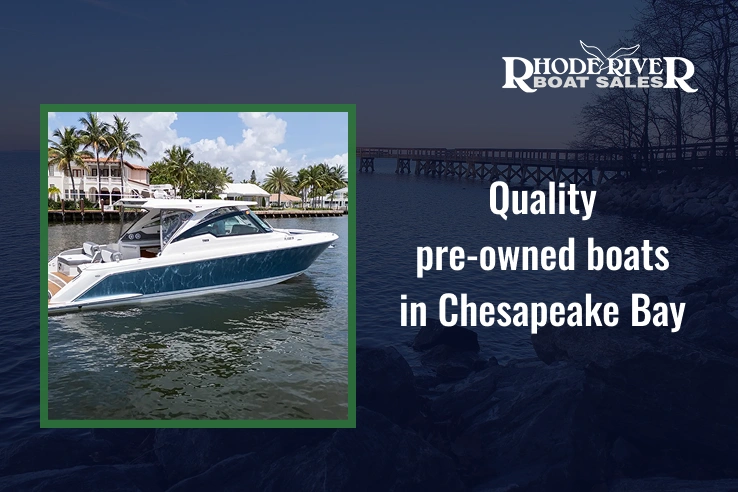
Finding the right vessel takes patience, careful inspection, and a clear understanding of what to look for. Buyers who take the time to evaluate condition, maintenance history, and performance often uncover exceptional opportunities.
At Rhode River Boat Sales, we help boating enthusiasts discover some of the best used boats in Chesapeake Bay while providing guidance throughout the buying process. If you are looking for quality pre-owned boats, contact us today to learn more about available options and start planning your next adventure on the water.
FAQs
1. What should I check first when inspecting a pre-owned boat?
One of the first things to examine when evaluating pre-owned boats is the hull. The hull supports the entire structure of the vessel, so any damage here can lead to serious problems later. Look closely for cracks, deep scratches, or signs of uneven repairs. Minor cosmetic wear is normal, but structural damage should be investigated further. It is also helpful to walk around the boat and view the hull from multiple angles, since certain issues may only become visible under good lighting or from specific viewpoints.
2. How important is the engine condition when buying a used boat?
The engine is one of the most critical components to evaluate when purchasing a used vessel. A well-maintained engine can greatly extend the life of the boat and reduce the risk of unexpected repairs. Buyers should ask about service history, routine maintenance, and previous repairs. Visual inspection is also important. Signs such as corrosion, fluid leaks, or worn hoses may indicate poor upkeep. A short test run can help confirm whether the engine starts smoothly and performs consistently.
3. Why is a water test recommended before buying a boat?
A water test allows buyers to see how the boat performs in real conditions rather than relying only on a dockside inspection. During the test, you can evaluate how the boat accelerates, how it handles turns, and whether the engine runs smoothly at different speeds. It also provides an opportunity to observe how stable and comfortable the vessel feels on the water. Many experienced buyers consider a water test an essential step before finalizing a purchase.
4. What role do maintenance records play when buying a used boat?
Maintenance records offer valuable insight into how well the boat has been cared for over time. Detailed records showing routine servicing, oil changes, and equipment repairs often indicate responsible ownership. These documents can also reveal whether major components such as the engine or electrical systems have received proper attention. When records are available, they help buyers make a more informed decision and reduce uncertainty about the boat’s condition.
5. Is it better to buy from a private seller or a boat dealer?
Both options can work, but buying through a reputable dealer often provides additional reassurance. A professional dealer typically inspects boats before listing them and may provide helpful background information about the vessel. Buyers may also receive guidance during the selection process, especially if they are new to boating. For many people, working with a knowledgeable dealer can make the buying experience smoother and more confident.